
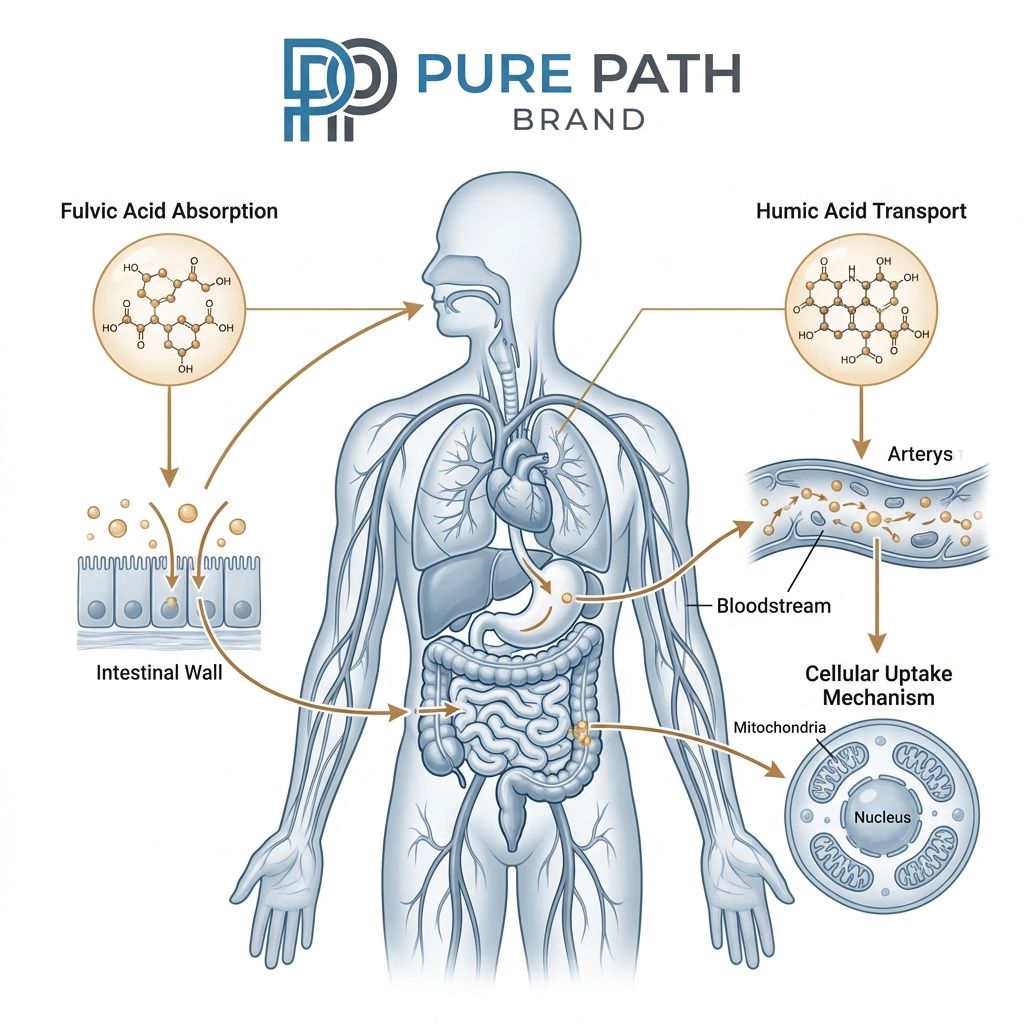
Mitochondrial respiration is the process by which cells convert nutrients (glucose, fatty acids) into ATP — the energy currency that powers every cellular function. It is the reason you eat, and the reason delivery to cells matters.
The Basics of Cellular Energy
Mitochondria are organelles inside nearly every cell. They run the electron transport chain — a series of chemical reactions that strip electrons from food-derived molecules and use the energy released to produce ATP. This process requires oxygen (hence "respiration") and depends on specific mineral cofactors at each step.
Where Trace Minerals Fit
- Iron: central to cytochrome proteins in the electron transport chain.
- Copper: required by cytochrome c oxidase (Complex IV).
- Manganese: cofactor for mitochondrial superoxide dismutase (MnSOD), which protects mitochondria from oxidative damage.
- Zinc: supports hundreds of enzymes including those involved in energy metabolism.
- Magnesium: required for ATP stability — every ATP molecule is actually Mg-ATP in the body.
If these minerals do not reach mitochondria inside cells, energy production degrades regardless of caloric intake.
The Delivery Connection
This is where fulvic acid connects to energy. Its job is to deliver minerals across cell membranes to the intracellular space where mitochondria can use them. Eating iron means nothing if it sits in the gut or circulates in plasma without entering cells. Transport to the mitochondrial level is the relevant endpoint. See Membrane Transport Explained and Trace Minerals Explained.
Why "Energy Supplements" Often Disappoint
Most energy products rely on stimulants (caffeine) or B-vitamins. Stimulants borrow energy from tomorrow. B-vitamins are water-soluble and easily excreted. Neither addresses whether mineral cofactors are actually reaching mitochondria. A transport-layer approach asks the more fundamental question: are the raw materials for ATP production arriving where they are needed?
These statements have not been evaluated by the FDA. Educational content, not medical advice.